







Search Results for: chicory root

What exactly is beanless coffee? How can coffee flavor be created without a single coffee bean?
Coffee bean prices have been climbing steadily, and some coffee shops in South Korea have seized the moment to launch "beanless coffee," sparking plenty of discussion. So-called beanless coffee uses other ingredients to replace coffee beans, producing a drink with coffee-like flavor. Without coffee beans, why can it still taste like coffee? In fact, this is nothing new—beanless coffee made frequent appearances as early as several hundred years ago. From the perspective of Front Street, this article reviews the historical origins of chicory root as a coffee bean substitute, explains the common types of grain-based substitutes, and, from the angle of roasting chemistry, clarifies the true source of "coffee flavor," giving you a comprehensive understanding of the essential differences between beanless coffee and regular coffee. [more…]

Yunnan Small-Bean Coffee: Origin Environment and Flavor Analysis — From Botanical Characteristics to Quality Grading
Yunnan, as China's most important coffee-producing region, nurtures outstanding quality Arabica coffee thanks to its subtropical mountain climate south of the Tropic of Cancer and its fertile plateau red soil. This article systematically reviews the introduction history, main cultivated varieties, producing region distribution, and flavor characteristics of Yunnan coffee, and provides a detailed introduction to the botanical features—roots, stems, leaves, flowers, and fruit—of Arabica coffee as well as its grading standards. Whether you are a coffee enthusiast just starting out or a seasoned player hoping to gain a deeper understanding of the past and present of Yunnan beans, you can gain from it a complete understanding of the relationship between this land and coffee, while also seeing Front Street Coffee's continued attention to and recommendations for Yunnan coffee. [more…]
How to Raise Coffee Seedlings and Establish a Plantation? A Systematic Cultivation Guide from Propagation and Planting to Pruning and Fertilization
The flavor foundation of a good cup of coffee is laid the moment the seed touches the soil. This article systematically outlines the complete technical chain of coffee from seedling propagation to plantation management: seed collection and washing in seed propagation, nursery establishment, germination acceleration and transplanting, and seedling-stage care; the key operational points of cutting and grafting in asexual propagation; and then extends to coffee plantation site selection and planning, land clearing and field planting, shade tree configuration, single-stem and multi-stem training and pruning techniques, as well as soil management measures such as weeding and mulching, deep plowing and soil improvement, and irrigation and fertilization. For enthusiasts who wish to gain a deeper understanding of the logic of coffee cultivation and build a systematic awareness from origin to cup, this is a solid technical reference. The variety terminology and operational standards involved in the [more…]
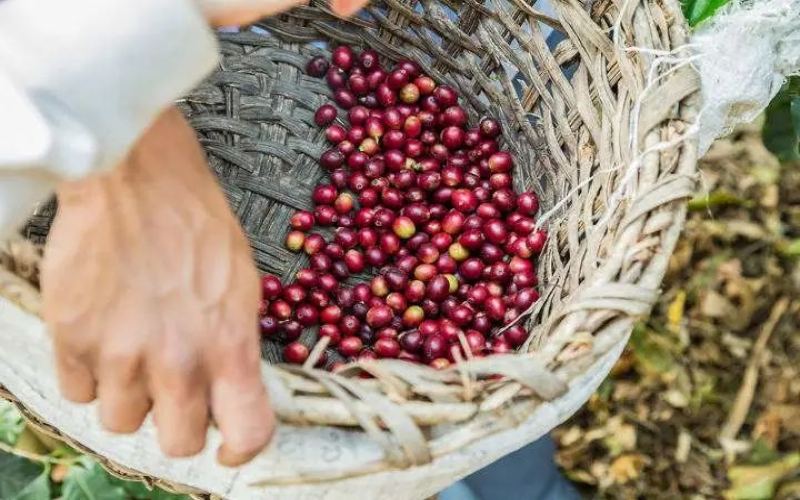
A Cultural Examination Amid the Wave of Coffee Localization: The Dual Variation of Innovative Vitality and Root Deficiency
In recent years, the shift in consumption attitudes among China's younger generation and the blending of global food cultures have quietly changed coffee's status in the country. Chain brands have brought coffee from a light luxury into daily life, specialty coffee culture has rapidly spread with the help of local forces, and Yunnan coffee beans have moved from obscurity to popularity. What followed is a trend of coffee's "Sinicization"—from stewing and extraction to serving in tea bowls, from youtiao and jianbing to rice wine and Moutai, coffee is putting on a Chinese-style coat. Yet is this localization a school worth passing down, or a fleeting trend lacking roots and soul? This article will explore the innovative surface and inner deficiencies of Chinese-style coffee, and consider how coffee culture can truly take root in China. [more…]
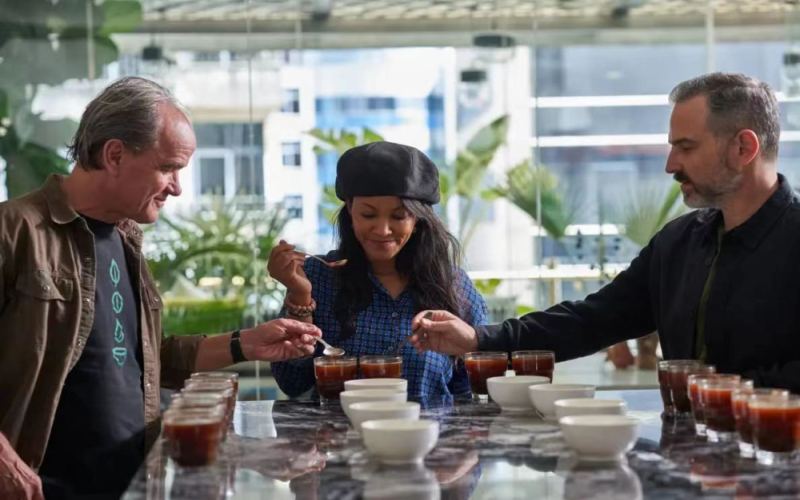
From Documentary Director to Geisha Estate Owner: Adam Overton's Journey of Searching for Geisha's Roots and Cultivation in Ethiopia
Geisha is now a star variety in the specialty coffee world, but where exactly is its original home? After filming a coffee documentary in Ethiopia, documentary director Adam Overton and his photographer wife Rachel Samuel dreamed of establishing a Geisha estate. They learned from Geisha authority Willem Boot, ventured deep into the Bench-Maji region on Ethiopia's southwestern border, and ultimately found near the Gori Gesha wild forest a variety genetically highly similar to Panama Geisha, and established the Gesha Village Coffee Estate. This article tells the story of this Geisha roots-seeking journey spanning two continents, as well as the flavors and variety future that Front Street Coffee is following. [more…]
Why Are Ethiopian Coffee Beans So Genetically Mixed? A Detailed Explanation of the Root Causes Behind Their Rich Flavor Complexity
Ethiopia is a genetic treasure trove of coffee. Its producing regions boast a vast array of bean varieties and richly layered flavors, which often spark curiosity among coffee enthusiasts. On Front Street Coffee's bean list, Ethiopian beans consistently rank among the most frequently offered, and as a result, we've received quite a bit of customer feedback—most commonly about beans varying in size. This article will approach the issue from the angle of variety mixing, analyzing the deeper reasons behind the complex taste and flavor of Ethiopian coffee beans, to help everyone gain a more well-rounded understanding of this legendary region's unique charm. [more…]
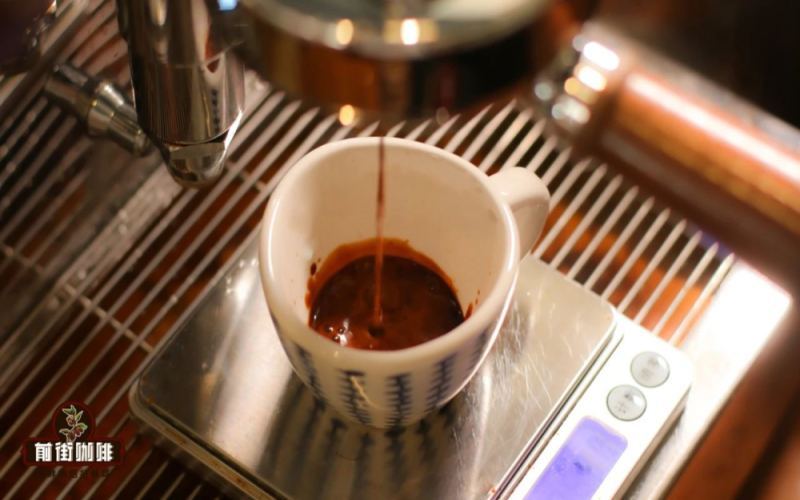
Exploring the Root Causes of Espresso Extraction Flow Rate Variation: The Impact of Grinder Hopper Pressure on Coffee Flavor Stability
In the daily operation of a coffee shop, many baristas have encountered this troubling issue: an espresso extraction recipe that was just calibrated in the morning gradually speeds up as more shots are pulled, with the time running several seconds shorter than the preset parameters. This unstable extraction phenomenon is often closely related to pressure changes inside the bean hopper of an espresso grinder. Front Street Coffee has observed in daily practice that the amount of coffee beans piled in the hopper directly affects the uniformity of grind particle size, which in turn changes the extraction rhythm and flavor performance of espresso. This article will take an in-depth look at how hopper pressure affects grind quality, explain the underlying logic behind fluctuations in extraction flow rate, and share practical adjustment ideas for stable output, helping coffee enthusiasts and professionals better understand variable control in espresso extraction. [more…]
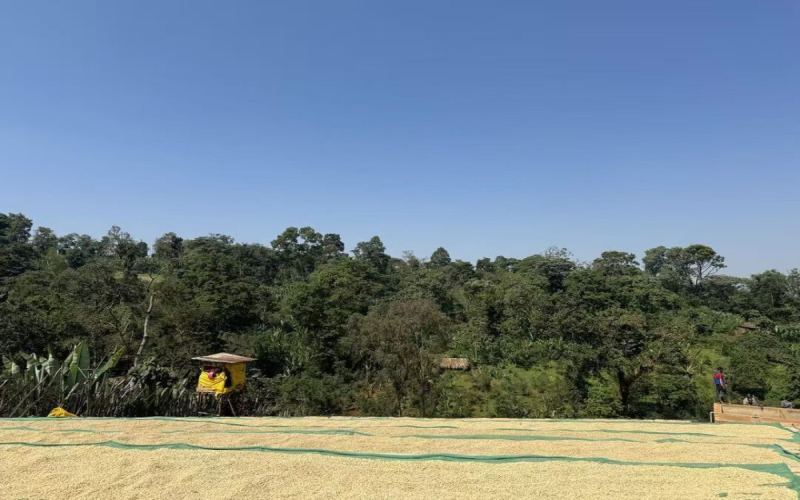
A Complete Analysis of Yirgacheffe Coffee Flavor: From Origin Roots to the Cup Performance of Front Street Coffee's Washed and Natural Beans
Yirgacheffe is Ethiopia's most recognizable specialty coffee region, world-renowned for its white floral aromatics, lemony citrus acidity, and soft sweetness. This article will systematically examine what makes Yirgacheffe coffee unique—from its origins and history to its terroir and flavor profile—and introduce several Yirgacheffe single-origin offerings from the Front Street Coffee store's bean lineup, including the washed Front Street Gedingding and the natural-processed Front Street Red Cherry, helping coffee lovers gain a more comprehensive understanding of the cup's charm from this legendary African region. [more…]
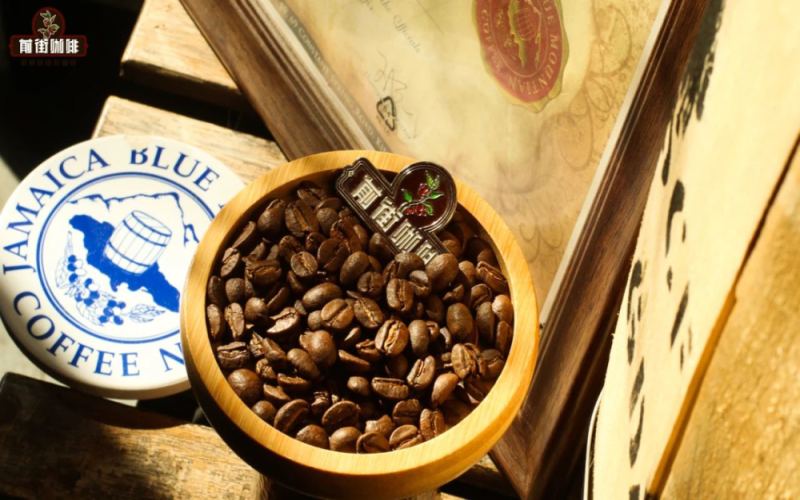
Front Street Coffee Jamaican Blue Mountain Pour-Over Guide: Analyzing the Root Causes of Sourness After Brewing
Front Street Jamaican Blue Mountain Coffee is globally recognized as one of the top specialty coffees, and many coffee enthusiasts are particularly fond of it. However, this bean demands a high level of brewing skill, and even a slight deviation can easily bring out an unpleasant sourness. This article will systematically explain the pour-over essentials for Front Street Jamaican Blue Mountain Coffee from the perspectives of dripper selection, grind size, water temperature, coffee-to-water ratio, and pouring technique, and will delve into why a bean that is balanced and full-bodied can, under certain circumstances, taste sour. If you have also encountered similar confusion when brewing Front Street Blue Mountain at home, feel free to follow along with this article to identify the problem. [more…]
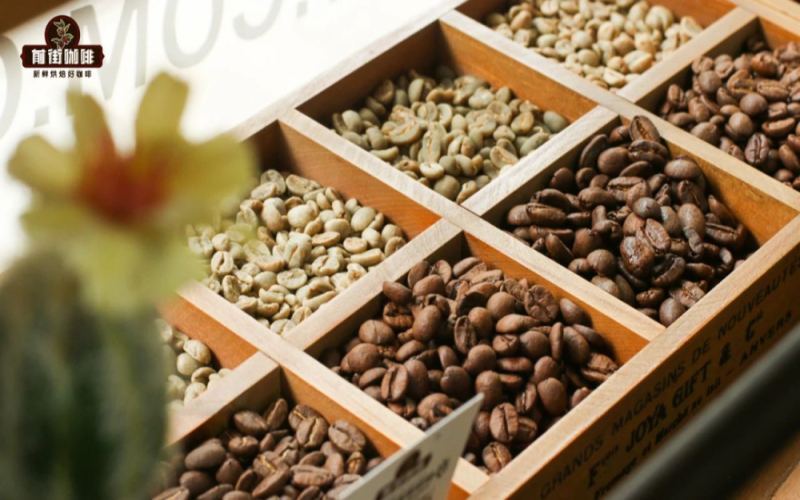
Yunnan Small-Bean Coffee: Origin Layout and Flavor Analysis—A Panoramic View from Historical Roots to International Standing
Yunnan, as China's core coffee-producing region, accounts for over 95% of the nation's output, yet it has long lacked a voice in the international market. This article begins with the varietal origins of small-bean coffee, tracing its historical path through Ethiopia and the Arabian Peninsula before finally reaching Yunnan, and reviews key milestones such as Zhukula Village, the trial planting in Lujiangba, and Nestlé's introduction of Catimor. At the same time, it confronts domestic consumers' stereotypes about Yunnan coffee—the burnt, bitter taste and artificial flavoring of the instant-coffee era—and analyzes Yunnan coffee's awkward position of being undercut by more than 20 cents in international trade. In fact, the quality of Yunnan coffee is no longer inferior to imported beans of the same grade, and a large amount of "imported coffee" is actually Yunnan green beans exported, labeled abroad, and then sold back. The article calls for setting aside prejudices born of low-quality instant coffee and rediscovering the true flavor and value of domestically grown coffee. [more…]
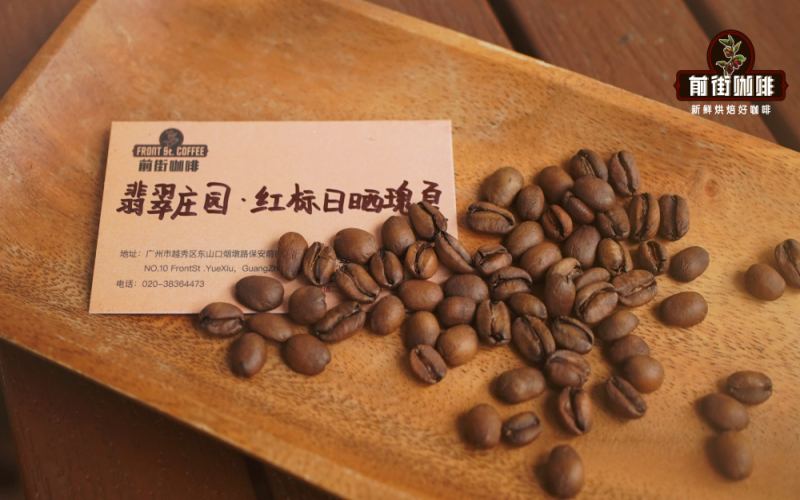
Why Are Panama Geisha Coffee Prices So High? A Full Analysis from Variety Characteristics to Front Street Coffee's Available Beans
In recent years, Panama Geisha coffee has replaced Blue Mountain as the focus of the specialty coffee world, thanks to its clean, refreshing flavor reminiscent of citrus and floral tea. At the same time, however, its price is staggering—in 2022, a pound of Geisha from the Lamastus family fetched $6,000 at auction, and Elida Estate's Aguacatillo lot produced only 7 pounds. Why is Geisha so expensive? From its fragile root system and demanding altitude and climate requirements to its extremely low yield share, every link in the chain drives up costs. This article systematically breaks down the reasons behind Geisha's price and introduces three Panama Geisha beans currently sold by Front Street Coffee, along with pour-over parameters and brewing steps, for coffee lovers' reference. [more…]

Analyzing Common Pour-Over Coffee Problems: Finding the Root Causes of Burnt Bitterness and Weak Flavor from Grind Size and Pouring Technique
Many coffee enthusiasts encounter two headache-inducing problems when brewing pour-over coffee: the coffee tastes burnt and bitter, or it tastes weak and watery. Through daily conversations with customers in-store, Front Street Coffee has found that truly mastering pour-over isn't about brewing a perfect cup every time, but about being able to accurately identify where the problem lies and find the corresponding solution. This article compiles the most common pour-over mishaps, analyzing the causes of burnt bitterness and weak flavor one by one—from differences in coffee bean roasting and grind size calibration to the technique of pouring water in circles. Whether you're a complete beginner or a pour-over player with some experience, you'll find practical troubleshooting ideas and adjustment directions here. [more…]
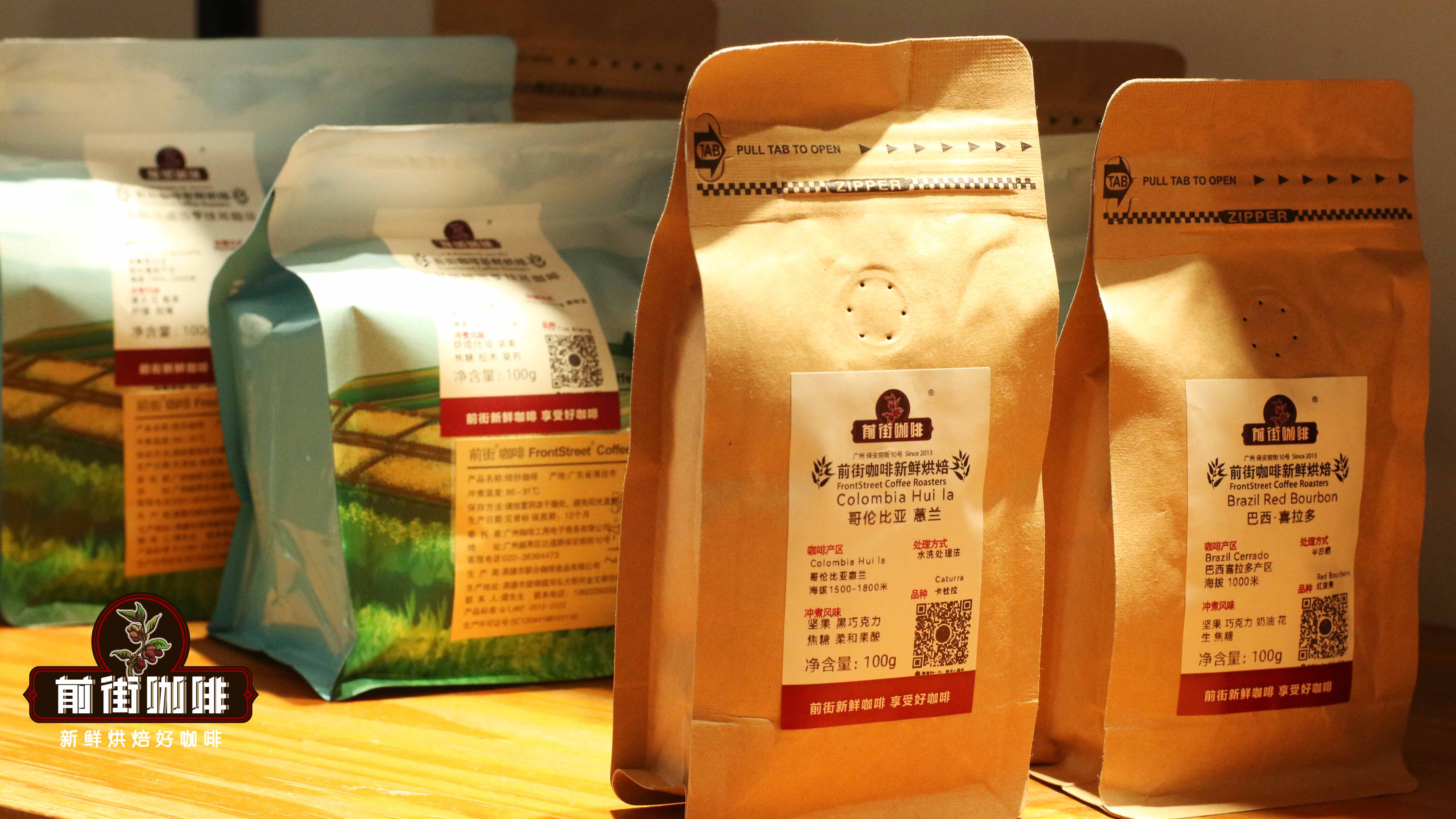
Colombia Huila Coffee: A Complete Guide to a Specialty Origin, from Historical Roots to Flavor Characteristics
Colombian coffee is renowned worldwide for its balanced, mellow body and bright acidity, and the Huila region is one of its most representative specialty origins. Starting from the flavor of Front Street Colombia coffee, this article traces the history of Colombian coffee from its introduction in the 18th century to its rise as the world's third-largest producing country, analyzes its superior growing environment and the distribution of its main producing regions, and focuses on the geographical conditions and quality characteristics of the Huila region, as well as the specific details of Front Street washed Huila everyday beans, giving you a comprehensive understanding of this classic coffee that combines bitterness and aroma with a captivating sweet aftertaste. [more…]

A Complete Inventory of Blue Bottle Coffee Stores in China: Why Is It Still Rooted in Jing'an, Shanghai? An Analysis of Future Expansion Directions
Since Blue Bottle Coffee opened its first mainland China store in early 2022 at the former site of the Shanghai Yutong Flour Mill, it has successively set up three locations in Jing'an Kerry Centre and Zhangyuan. Curiously, this brand, known for its minimalist boutique approach, has not stepped outside Jing'an District for over a year, and has even been jokingly said to have "not even left Shanghai." This article reviews the current store distribution of Blue Bottle Coffee, analyzes the customer base logic and brand tone behind its site selection strategy, and also brings rumors about the possible location of a fourth store in Qingpu's Panlong Tiandi or Pudong's Qiantan. In addition, we continue to recommend boutique bean news from Front Street Coffee, providing coffee enthusiasts with a more comprehensive industry perspective. [more…]

Luckin store's ice machine waste ice dumped on street trees sparks debate; landscaping department responds to operational hazards
Recently, a video of Luckin Coffee store employees dumping large amounts of waste ice from cleaning the ice machine under the street trees in front of the store has sparked heated discussion on social media. On one hand, there is the practical difficulty employees face in disposing of excess ice; on the other, netizens are worried about the health of the trees. Is dumping ice a way to make full use of resources or is it harming the greenery? The landscaping department has offered a professional opinion on this, and behind the incident it also reflects a management blind spot in the waste ice disposal process at chain coffee stores. [more…]

Fudan Medical College Case Card Milk Tea Goes Viral Online, Creative Packaging Inspiration Shares the Same Roots as Traditional Chinese Medicine-Style Design in the Coffee World
Recently, a "medical record card milk tea" launched by the School of Medicine at Fudan University has continued to spark heated discussion online. Its packaging design mimics prescription slips and medical record cards, printed with phrases such as "oral miracle cure" and "miraculous healing," and the straws even reproduce street signs from around the medical school, making it full of fun. As of now, the topic has received 47.589 million reads and 8,931 discussions on Weibo. In fact, similar "medical-style" creative ideas are not appearing for the first time. Previously, in the coffee sector, some cafes also introduced the concept of "oral coffee." While such novel designs can certainly grab attention quickly, for a beverage, product quality is the foundation for long-term success. [more…]

Tongrentang has partnered with Tmall to launch a ginseng Americano, once again stirring up the punk wellness trend with a mix of traditional Chinese medicine and coffee.
When "Double Eleven" meets a time-honored pharmaceutical company, a cup of ginseng americano makes a surprise debut. Tmall teamed up with Zhima Health, under Tongrentang, to launch a limited-edition "ginseng americano," each cup containing a whole fresh ginseng root, at a subsidized price of just 11.11 yuan. Following the various "medicinal coffees" that came before, this move has once again drawn attention. In addition to ginseng, the drink also includes Chinese medicinal ingredients such as licorice and longan, and the vendor simultaneously warns that no more than one cup should be consumed per day. However, issues such as the lack of additive standards in the industry and the unclear origin of the ginseng have also surfaced, meaning consumers should exercise extra caution even as they satisfy their curiosity. [more…]
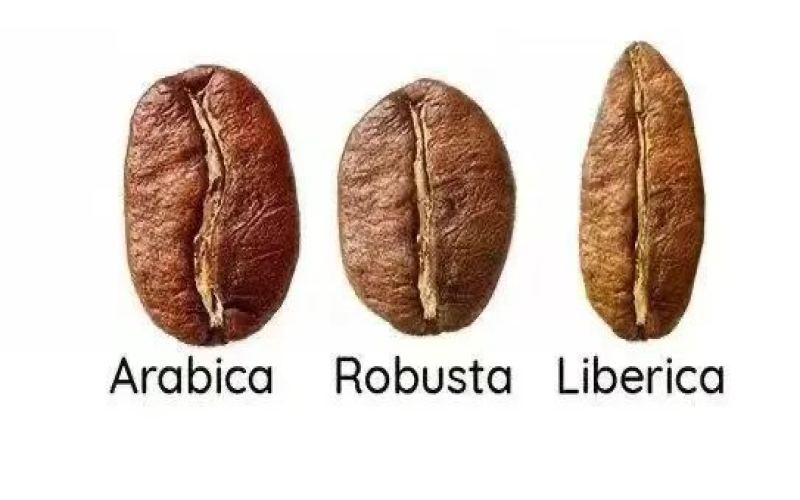
Why did Liberica take the deepest root in the Philippines? From the origins of the large-bean species to the rise of a tough-guy coffee
Liberica, a coffee variety known as "large bean," originated in Liberia, Africa. Its beans are large but extremely low in caffeine, with a flavor profile dominated by smoky, earthy, and woody notes, even described as "liquid tobacco." It was not favored by the commercial market, yet found its widest cultivation ground in the Philippines. Why did the Philippines become the largest producing country of Liberica? This is inseparable from the rise and fall of the country's coffee industry: from the introduction of Arabica in 1740, to the leaf rust disease at the end of the 19th century that caused production to plummet by 80%, to the government's introduction of disease-resistant varieties and implementation of a five-year revival plan in the 1950s, the demand from instant coffee factories ultimately allowed Liberica to gain a foothold. This article will trace this history and explore whether Liberica also has the potential to move toward specialty coffee. [more…]
Guatemalan Antigua Coffee: A Unique Smoky Flavor Rooted in Volcanic Soil and Mayan Heritage
Guatemalan Antigua coffee is renowned worldwide for its balanced fruity acidity, rich spicy aroma, and signature smoky flavor. Behind this cup of coffee lies a tapestry woven from the ancient heritage of Mayan civilization, the rise and fall of Spanish colonial history, and the unique terroir bestowed by volcanic soil. From the diligent cultivation of the indigenous people to the admiration of today's international coffee connoisseurs, Antigua coffee carries a story spanning hundreds of years. This article will guide you through an in-depth understanding of Antigua coffee's flavor characteristics, historical origins, and its unique position in the global coffee landscape. [more…]

Mixue Ice Cream & Tea Tests the Breakfast Market: From Surveys to Mini Programs, Is the Snow King Returning to Its Catering Roots?
Recently, news that Mixue Bingcheng might start selling breakfast has blown up on social media, with related topics shooting straight to the top of trending searches. It started with a questionnaire circulating in community groups and on WeChat Moments, plus a "breakfast series" of dairy products quietly appearing in the mini-program, priced at just 5 yuan on average. Netizens shouted "Snow King has brought the prices down" while enthusiastically ordering fried dough sticks and spicy soup. Longtime fans even dug up the brand's origin story, saying this isn't a crossover at all—it's a return to its old trade. However, people in the know say it's currently only a small-scale trial in a few cities, with no intention of a broad rollout for now. [more…]